An exploration of how player communities have become central to gaming, their impact on both players and developers, and the key challenges and opportunities this dynamic entails.
The Rise of the Player Community: A New Era in Gaming
In the world of gaming, a player community serves as a powerful engine driving both user engagement and game development. Unlike technological advances or marketing strategies, the vibrant communities that form around games can make or break a title’s success. This evolving relationship between developers and gamers takes on a life of its own, with the potential to shape not just a game, but entire gaming universes. As more people embrace games as part of their entertainment routine, the concept of a player community becomes essential in understanding gaming culture.
What is a Player Community?
A player community represents the collective of individuals who interact, share, and play around a particular game or gaming platform. This interaction occurs on various levels, including in-game chat, forums, social media, and live streaming platforms. In the digital age, where social interaction increasingly takes place online, player communities serve not only as social circles but also as extensions of the gaming experience itself.
Communities can form around specific features like modding, competitive play, or even game design itself. Players exchange tips, create content, and organize events, fostering a sense of belonging and shared discovery. With platforms like Discord, Reddit, and Twitch, communities can reach international scales, breaking down geographical barriers.
The Role of Developers in Cultivating Communities
Successful game developers understand the importance of fostering a positive and engaged community. It's essential that they maintain open lines of communication with players, often through official forums, social media, and game events. Developers are increasingly tapping into player feedback to make informed decisions about updates and fixes. By creating an inclusive environment, developers can ensure their communities remain active and vibrant.
Furthermore, events like beta tests, contests, and community days are instrumental in keeping enthusiasm alive. These events encourage participants to delve deeper into the game, while offering developers valuable insights into player preferences and areas for improvement.
The Economic Impact of Player Communities
The economic implications of a well-managed player community are immense. Communities contribute to a game's longevity, providing a recurring revenue stream long after the initial purchase. Through downloadable content (DLC), expansions, merchandise, and microtransactions, developers can benefit financially from an engaged player base.
Some developers even monetize the community's creative efforts, splitting revenues with talented modders or creators who add value through content like skins, maps, and other user-generated content (UGC). This symbiotic relationship generates money for the company while rewarding community contributions, creating a self-sustaining ecosystem.
Challenges and Opportunities with Player Communities
While the rewards are plentiful, managing a large player community doesn't come without challenges. Toxicity, discrimination, or harassment can undermine the player experience and deter new participants. Addressing such issues requires a robust moderation strategy, including clear guidelines and swift enforcement actions to maintain a safe and welcoming environment.
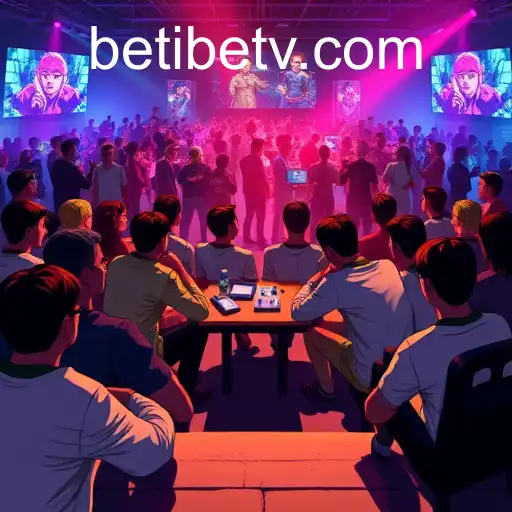
On a positive note, the growth of eSports represents a burgeoning opportunity for player communities. Competitive gaming attracts a massive audience, providing entertainment much like traditional sports. Players within these communities often participate in competitions or follow their favorite teams and events, strengthening engagement and entertainment value.
877 Bet: Bridging Gaming and Exploration
A unique phenomenon within player communities is the crossover between gaming and other recreational activities. The term 877 bet refers to a segment of the gaming landscape where element of luck and skill intersect, offering unique gaming experiences. Such occurrences provide a blend of traditional gaming with elements of risk and reward found in betting.
Some communities find this fusion attractive, as it introduces new dimensions to gameplay and strategy. However, it also raises ethical considerations around gambling and its influence within gaming communities. Both developers and community leaders have begun recognizing these risks, aiming for a balance that retains excitement without encouraging irresponsible behavior.
The Future of Gaming Communities
Technological innovations continue to shape the future landscape of player communities. Virtual reality (VR) and augmented reality (AR) promise to break new ground, enabling more immersive and interactive experiences. As these technologies evolve, gaming experiences will become seamless parts of everyday life, only deepening the bonds formed within communities.
Developers are constantly exploring ways to leverage artificial intelligence (AI) to personalize interactions, provide dynamic content, and even facilitate community interactions. AI-driven moderators, for example, help maintain the community's integrity by identifying and addressing negative behaviors swiftly.
With an emphasis on inclusivity and engagement, player communities will likely become more complex and diverse, reflecting broader societal shifts. Whether through harnessing the potential of 877 bet or navigating new realms opened by VR and AR, the task remains: to nurture communities that inspire and connect, propelling gaming into an exciting future.
Conclusion
In the end, the success of any game hinges not solely on its graphical fidelity or interactive capabilities, but rather on its ability to cultivate and maintain an enthusiastic player community. From fostering inclusivity to managing risks, the roadmap for the future of gaming includes navigating the intricate dynamics of player-led networks with all their potential for creativity and collaboration.